


Reviewed by NEETnova Academic Council (AIIMS & GMC Alumni Panel). Updated for NEET 2027.
As serious aspirants gear up for the upcoming NEET 2027 examination, the sheer volume of the syllabus can feel overwhelming. Every year, lakhs of students step into medical coaching with dreams of securing an MBBS seat in a premier government institution like AIIMS or a top state medical college. Yet, a large percentage of aspirants stumble not because they lack hard work, but because they lack a structured, data-driven preparation strategy aligned with the rationalized NCERT syllabus and the strict National Testing Agency (NTA) exam patterns.
Preparing for NEET 2027 requires moving away from passive textbook reading and rote memorization. With the competition scaling higher every single year, scoring 680+ marks demands absolute mastery of NCERT line-by-line facts, rigorous numerical practice in Physics and Physical Chemistry, and consistent timed mock test simulations. In this comprehensive guide, Dr. Nova and the NEETnova Academic Council break down the exact roadmap, high-yield chapter weightage, common traps, and phased study schedule you need to dominate NEET 2027.
Decoding the NEET 2027 Exam Pattern and Rationalized Syllabus
Before opening your first textbook for NEET 2027, you must understand the exact battleground. The NTA conducts NEET UG as an offline, pen-and-paper test spanning exactly 200 minutes (from 2:00 PM to 5:20 PM IST). The question paper consists of 200 multiple-choice questions divided equally across Physics, Chemistry, Botany, and Zoology (50 questions per subject).
However, you are only required to attempt 180 questions in total. Each subject is split into two sections:
- Section A: Exactly 35 mandatory questions (140 marks per subject).
- Section B: 15 questions, out of which candidates must attempt any 10 questions (40 marks per subject).
Marking scheme rules remain strict: every correct answer grants +4 marks, every incorrect answer deducts -1 mark, and unattempted questions receive 0 marks. Furthermore, your preparation must strictly adhere to the rationalized NCERT textbooks. Chapters like Digestion & Absorption in Biology or Solid State in Chemistry have been officially removed from the active syllabus. Studying deleted chapters is a monumental waste of valuable preparation time.
Phased Master Roadmap for NEET 2027 Aspirants
A structured timeline is the backbone of any top-ranker's success story. If you are starting your preparation early for NEET 2027, you have the luxury of time to build deep conceptual clarity without burning out. Your preparation must be divided into three distinct, highly disciplined phases.
Phase 1: Conceptual Foundation & NCERT Deep-Dive (Months 1 to 12)
During the foundational phase, your primary objective is reading and digesting the NCERT textbooks line by line. Do not rely solely on bulky coaching modules for Biology and Inorganic Chemistry; NCERT is your ultimate scripture.
- Physics: Focus intensely on understanding physical derivations, mastering vector algebra, and solving standard textbook illustrations before moving to advanced numericals.
- Chemistry: In Physical Chemistry, practice at least 50 numericals per chapter. In Organic Chemistry, write down all name reactions, reagents, and electronic mechanisms in your personal notes. In Inorganic Chemistry, memorize trends in periodic properties, coordination numbers, and qualitative analysis.
- Biology: Read every paragraph, table, diagram label, and summary box. Pay special attention to experimental setups in Plant Physiology and human physiological feedback loops.
Phase 2: Active Recall, PYQ Integration & Short Notes (Months 13 to 20)
Once your core syllabus coverage crosses 70%, shift immediately into active recall mode. Passive reading creates an illusion of competence—you might feel you understand a concept while reading it, but fail to recall it during a mock test.
- Past Year Questions (PYQs): Solve the last 10 years of NEET and AIPMT questions chapter by chapter. Analyze recurring patterns and NTA statement-based question styles.
- Formula Sheets and Mind Maps: Create concise 2-page summary sheets for every Physics and Physical Chemistry chapter containing all fundamental equations such as and .
- Spaced Repetition: Revisit difficult Biology chapters (like Molecular Basis of Inheritance and Photosynthesis) every two weeks to prevent memory decay.

Caption: Dedicated revision zones and mock test analysis sessions.
Phase 3: Grand Mock Simulations & Error Correction (Months 21 to May 2027)
The final phase determines whether you secure a 650+ score or miss out due to silly mistakes. In this phase, you will write full-length 720-mark tests under strict 200-minute examination conditions.
- Timed Execution: Practice pacing yourself so you complete Biology in 45-50 minutes, Chemistry in 50-60 minutes, and devote the remaining 75-80 minutes entirely to Physics numericals.
- The Error Logbook: Maintain an error notebook where you record every single question you got wrong in mock tests. Categorize errors into conceptual gaps, calculation mistakes, or misread question stems.
High-Yield Chapters That Guarantee 600+ Marks
Not all chapters carry equal weight in the NEET examination. While you must study the entire syllabus to secure a top rank, focusing extra attention on high-yield units ensures maximum return on your invested study hours.
High-Weightage Physics Units
Physics often dictates whether an aspirant gets into a government medical college. Mechanics and Electrodynamics alone account for nearly 50% of the Physics paper.
- Mechanics: Kinematics, Laws of Motion, Work-Energy Theorem, and Rotational Motion.
- Electrodynamics: Electrostatics, Current Electricity, Magnetism, and Electromagnetic Induction ().
- Modern Physics: Dual Nature of Radiation and Matter, Atoms, and Nuclei. This unit is exceptionally scoring and requires minimal calculation compared to Mechanics.
High-Weightage Chemistry Units
Chemistry is the rank-decider subject in NEET. A strong score in Chemistry compensates for minor stumbles in Physics.
- Organic Chemistry: General Organic Chemistry (GOC), Hydrocarbons, and Oxygen/Nitrogen-containing compounds.
- Inorganic Chemistry: Coordination Compounds, Chemical Bonding, and P-Block elements.
- Physical Chemistry: Chemical Equilibrium, Electrochemistry, and Solutions.
High-Weightage Biology Units
Botany and Zoology form 50% of the entire NEET question paper (360 marks). Missing questions here is catastrophic.
- Genetics & Evolution: Principles of Inheritance and Variation, Molecular Basis of Inheritance.
- Human Physiology: Breathing, Body Fluids, Excretion, Locomotion, Neural Control, and Chemical Coordination.
- Plant Physiology: Photosynthesis in Higher Plants and Respiration in Plants.
- Cell Biology & Biotechnology: Cell Cycle and Cell Division, Principles and Applications of Biotechnology.
Where Aspirants Lose 40+ Marks: Common Traps to Avoid
Even brilliant students frequently drop marks in NEET due to avoidable operational and conceptual mistakes. Recognizing these traps early in your NEET 2027 preparation will give you an immediate competitive edge.
- Ignoring Assertion-Reason and Statement-Based Questions: NTA has heavily shifted toward multi-statement questions that test your depth of understanding rather than surface-level memorization. Practicing single-choice MCQs alone is no longer enough.
- Unit Conversion Blunders in Physics: Forgetting to convert units from centimeters to meters or electron-volts to Joules during calculation-heavy Physics problems destroys scores.
- Neglecting Inorganic Chemistry Exceptions: Relying solely on general periodic trends while ignoring specific NCERT table exceptions (such as electron gain enthalpy anomalies or anomalous electronic configurations) leads to lost marks.
- Poor OMR Shading Practice: Many aspirants make the fatal error of saving all OMR bubble-filling for the last 10 minutes, resulting in panicked mis-shading and ruined scores. Always bubble answers section-by-section.
Daily Time Management Framework for Droppers and Regular Students
Consistency beats sporadic 14-hour study marathons every single day of the week. Here is a balanced daily study blueprint designed to keep cognitive fatigue low while maintaining high productivity:
- 06:00 AM - 08:30 AM (High Focus): Tackle heavy numerical practice in Physics or challenging physical chemistry problems when your mind is fresh.
- 09:30 AM - 12:30 PM (Active Reading): Dive deep into NCERT Biology reading, making concise marginal notes and flowcharts.
- 02:00 PM - 05:00 PM (Biological Clock Training): Simulate exam hours by solving mock tests or practicing previous year question sets during the exact NTA exam window.
- 06:00 PM - 08:00 PM (Application & Revision): Revise Inorganic Chemistry memorization facts, formula sheets, and review your error logbook.
- 08:30 PM - 10:00 PM (Light Practice): Solve organic chemistry conversion mechanisms or read Zoology case studies.
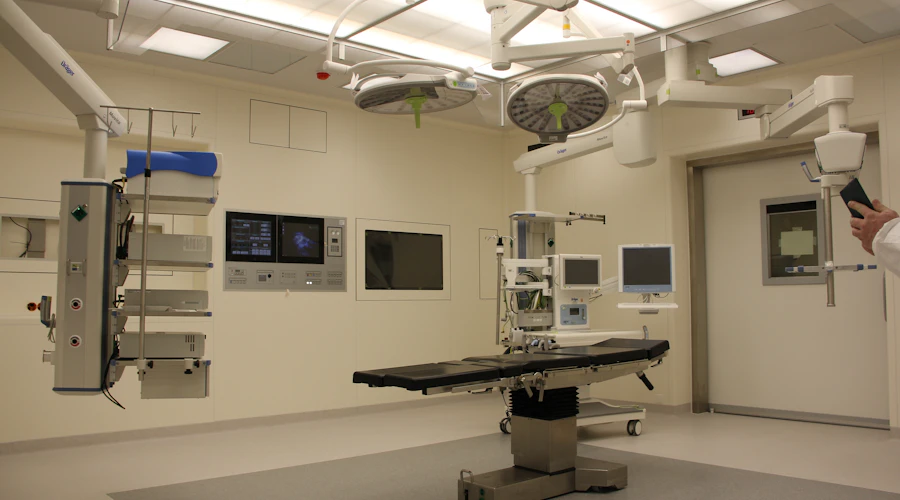
Caption: State medical college hospital infrastructure and facilities.
Why 50,000+ NEET Aspirants Rely on NEETnova for Daily Preparation
Reading textbooks and taking coaching notes is only half the battle. To secure a top rank in NEET 2027, you need an intelligent platform that tests your understanding against thousands of NTA-style questions, tracks your weak areas, and builds exam temperament.
NEETnova gives you everything you need to transform your preparation from ordinary to extraordinary:
- 50,000+ NCERT Line-by-Line PYQs & Question Bank: Start Free Practice Now
- 720 Marks Full Length Grand Mock Test Series: Attempt Real NTA Mock Test
- 1v1 Real-Time Medical Entrance Quiz Battles: Enter Live Battle Arena
- Spaced Repetition Memory Vault: Master Active Recall & Formulas
Official Free PDF Download: NEET 2027 Complete Preparation Strategy & High-Yield Questions Guide (Official Guide PDF)
Download the official, verified NTA NEET 2027 high-yield printable PDF booklet for NEET 2027 Complete Preparation Strategy & High-Yield Questions Guide. Includes key regulatory rules and exam insights.
📥 Download NEET 2027 Complete Preparation Strategy & High-Yield Questions Guide (PDF Guide)
Complete, verified, high-yield PDF guide formatted for rapid revision and self-study. Download instantly for free.
Frequently Asked Questions
Common queries and official guidelines verified by NEETnova Academic Council.
Student Discussion & Doubt Clearing
Ask questions, clarify concepts with verified faculty, and discuss exam traps with peers.
Join 10,000+ Aspirants in Discussion
Have a doubt about this topic or want to discuss tricky NCERT statements? Log in to start interacting with faculty.
Log in to Post Doubt / CommentLoading active discussions...